
How to Socialise a Shy or Anxious Cat

Some cats burst into a home full of confidence, claiming the couch, your lap, and every sunny window within minutes. Others… need a little more time. Shy and anxious cats aren’t “difficult”, they’re simply overwhelmed, sensitive, or still learning that humans and new environments can be safe.
Whether you’ve adopted a timid rescue, welcomed a kitten who hides behind the fridge, or you’re preparing your cat for visitors or a pet sitter, gentle socialisation can make a huge difference.
Here’s how to help a shy cat build confidence at their own pace.
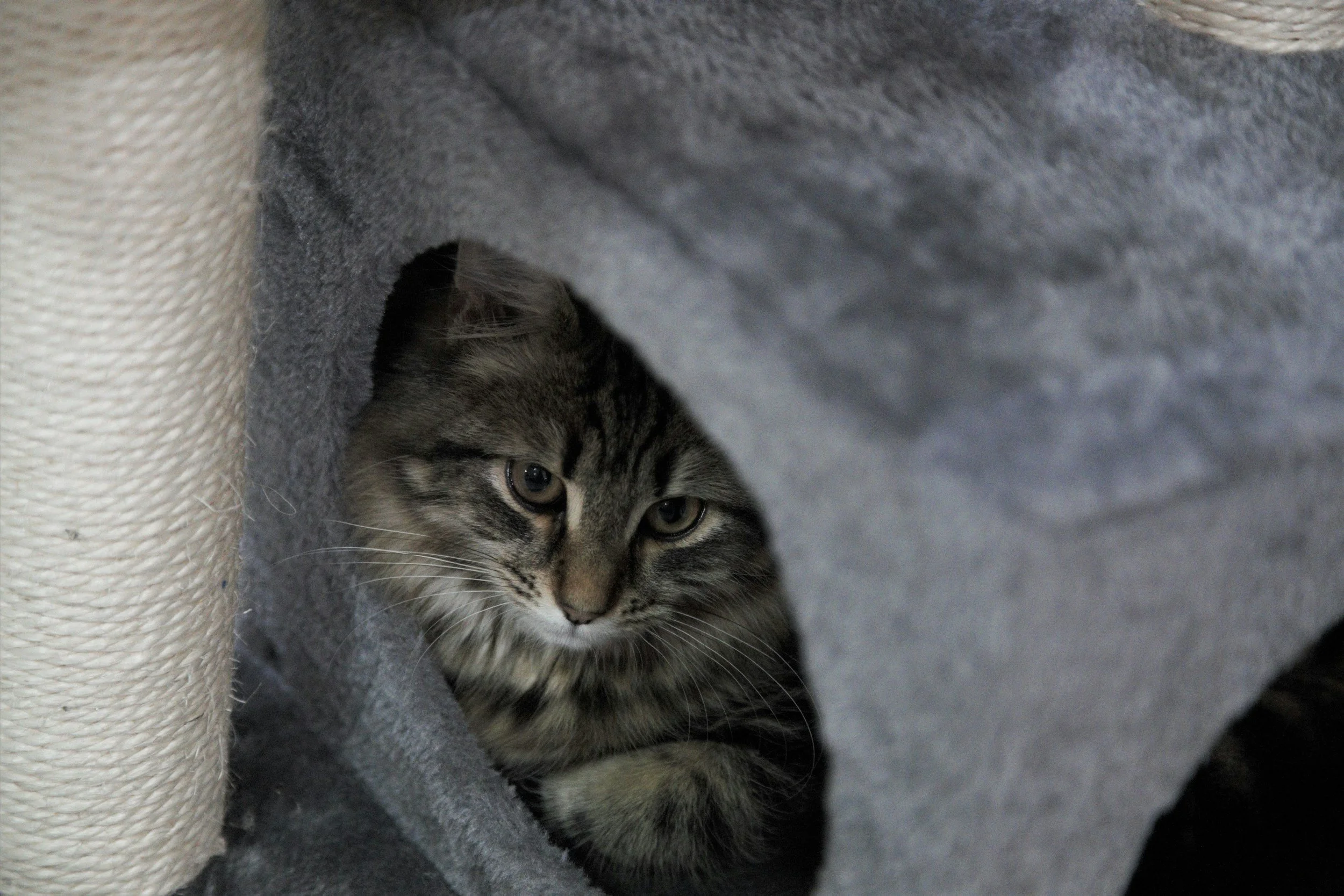
Create a Safe, Quiet Space
Every anxious cat needs a space where they can retreat and feel secure. This might be a spare room, a quiet corner, or a cosy crate with a blanket.
Include:
A covered bed or cat cave
Litter tray
Food and water
A few toys
Vertical space (shelves or a cat tree)
This “base camp” gives them control, which is key to reducing stress.
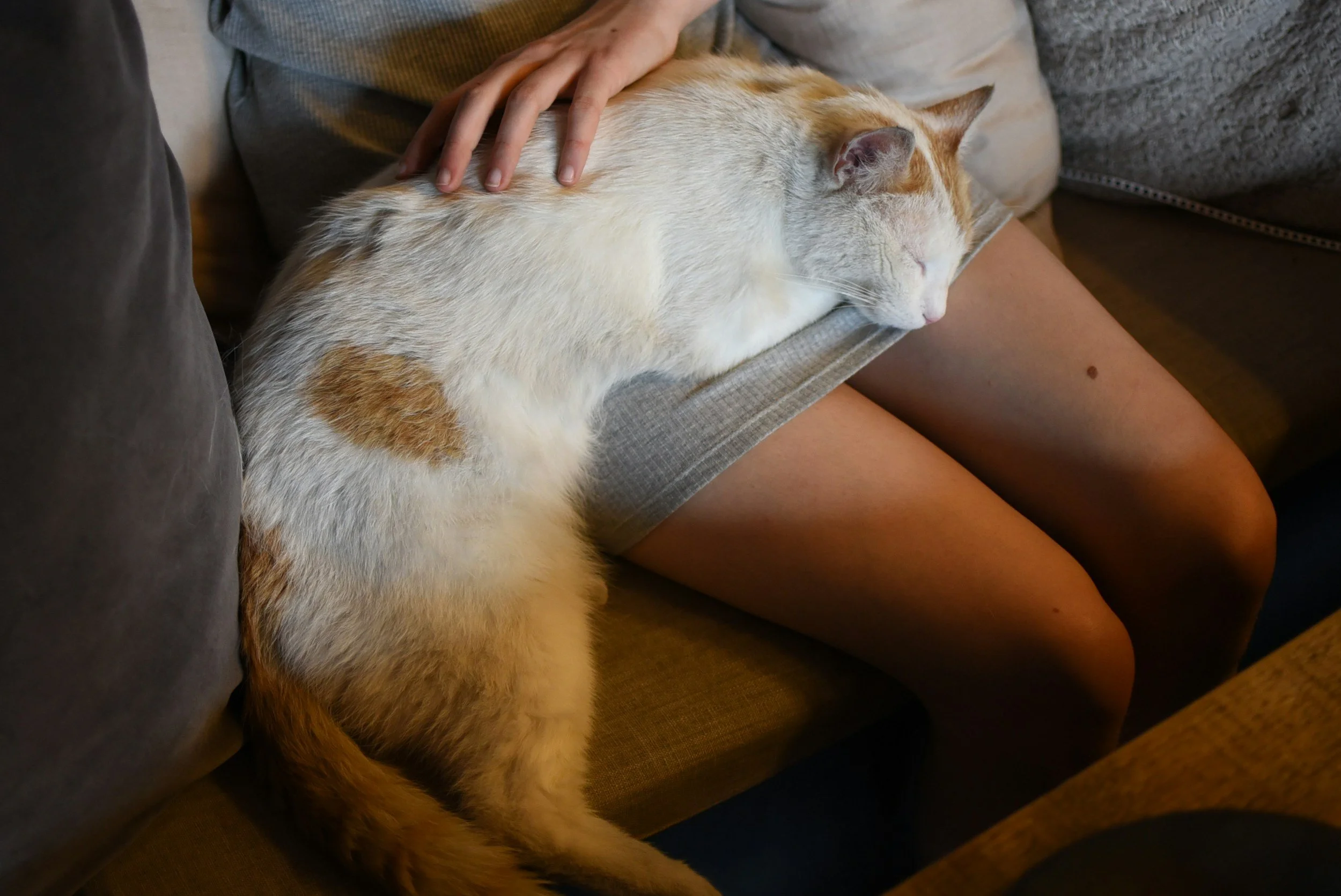
Let Them Set the Pace
Forcing contact can make anxiety worse.
Avoid:
Picking them up when they’re hiding
Cornering them
Getting in their face
Introducing too many new people at once
Instead, allow your cat to approach when they feel ready. Sit nearby, read a book, or talk softly so they get used to your presence without pressure.
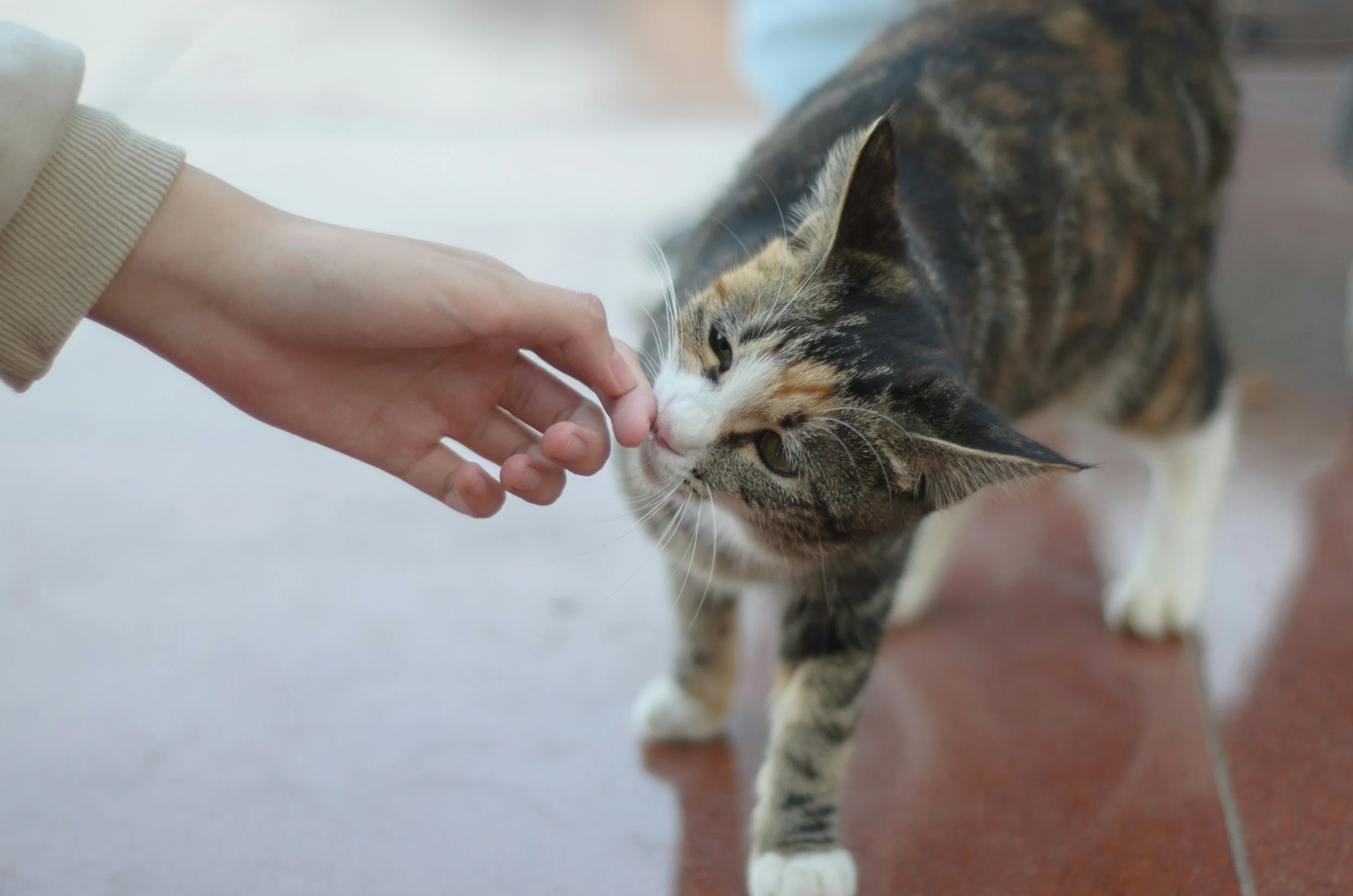
Use Slow, Gentle Interactions
Tiny interactions build trust.
Try:
Sitting on the floor at their level
Offering your hand for a sniff
Slow blinking (a friendly cat gesture!)
Speaking softly and avoid sudden movements
Celebrate small wins — a head poke, a slow blink back, or choosing to sit closer.
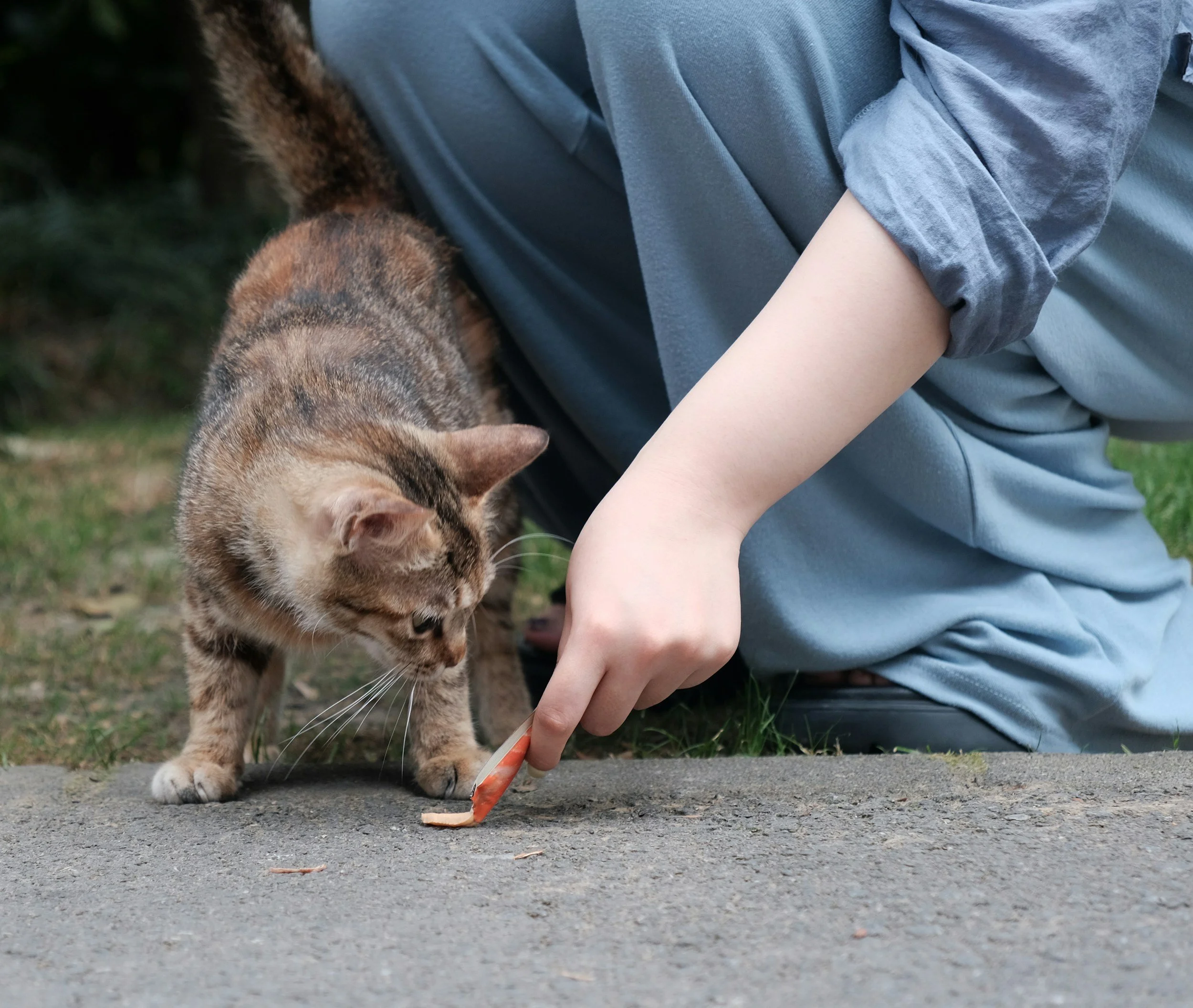
Encourage Positive Associations
Use rewards to show that new people, new rooms, or new experiences are good things.
Rewards include:
Treats
Wet food
Soft praise
Playtime
Gentle pats (once they’re ready)
You’re teaching: “Good things happen when I’m brave.”
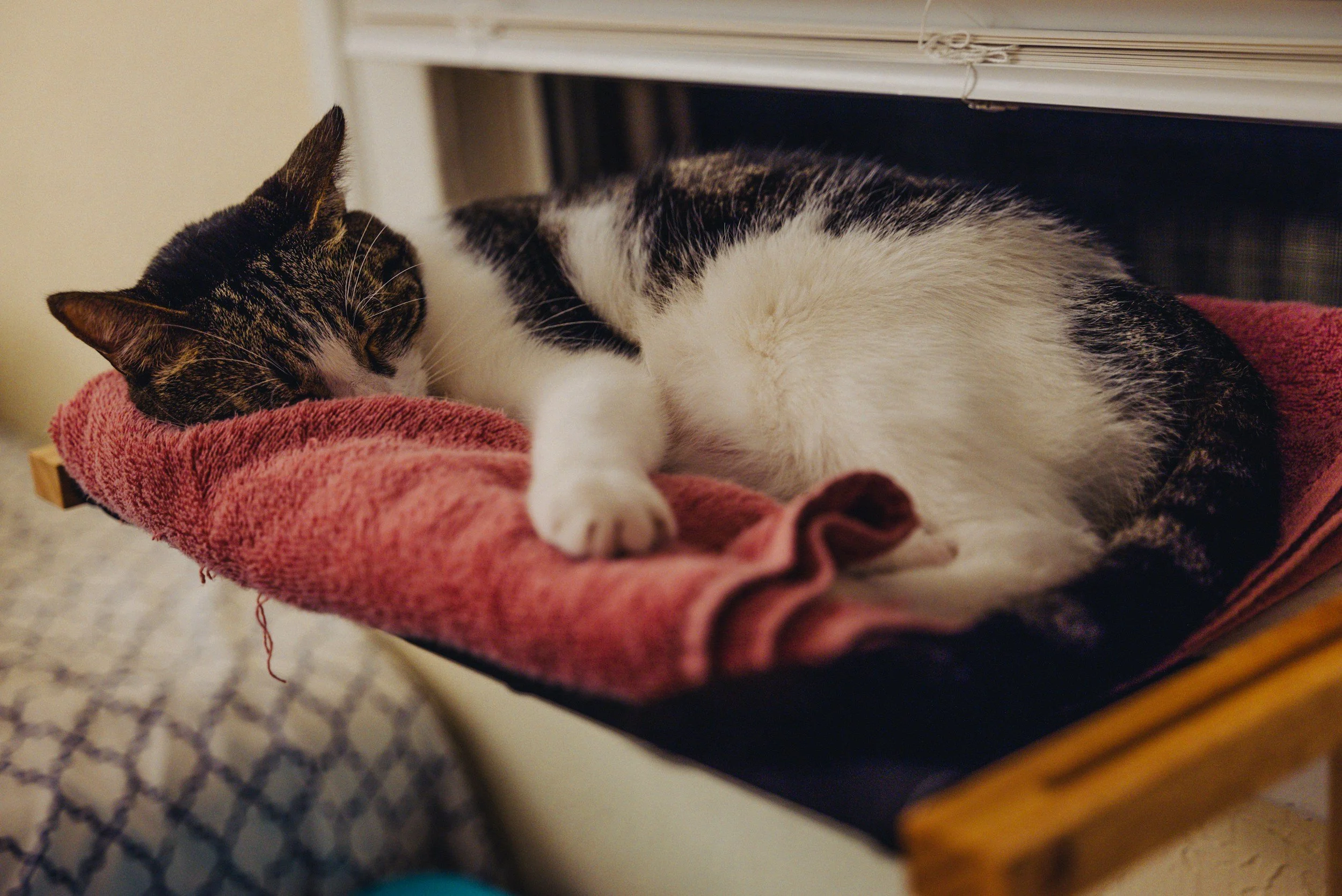
Use Scent to Build Comfort
Cats rely heavily on scent for safety.
Try:
Scent swapping (rub a cloth on you, place it near their bed)
Using Feliway or pheromone sprays
Giving them unwashed clothing that smells like you
Letting them explore new rooms before meeting new people
Familiar smells reduce anxiety instantly.

Gradually Introduce New People
For shy cats, visitors can be scary, but slow introductions help.
For guests or pet sitters:
Ask them to sit quietly and let the cat come to them
No direct eye contact at first
Use treats to build a positive link
Keep visits short and calm
Over time, most cats become comfortable when new people don’t rush them.
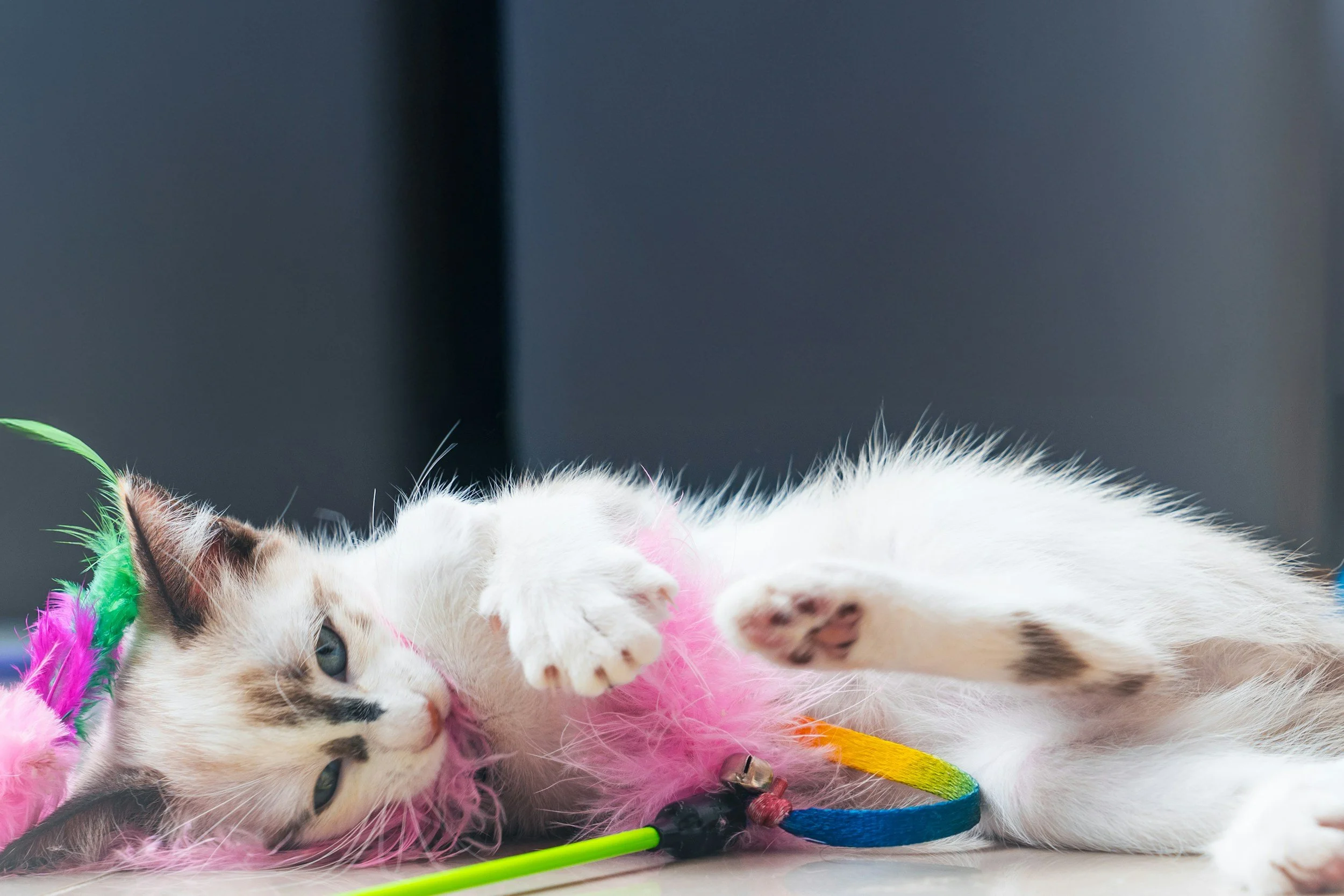
Build Confidence Through Play
Play helps anxious cats release tension, gain confidence, and learn that interaction is fun.
Great options:
Wand toys
Feather teasers
Laser pointers (with a treat reward at the end)
Quiet toys like soft mice
Even just a few minutes a day can help shy cats open up.

Create a Predictable Routine
Cats thrive on structure.
Consistency with:
Feeding times
Litter cleaning
Play sessions
Quiet time vs active time
Visitor timing
A regular routine gives shy cats a sense of control and reduces stress.
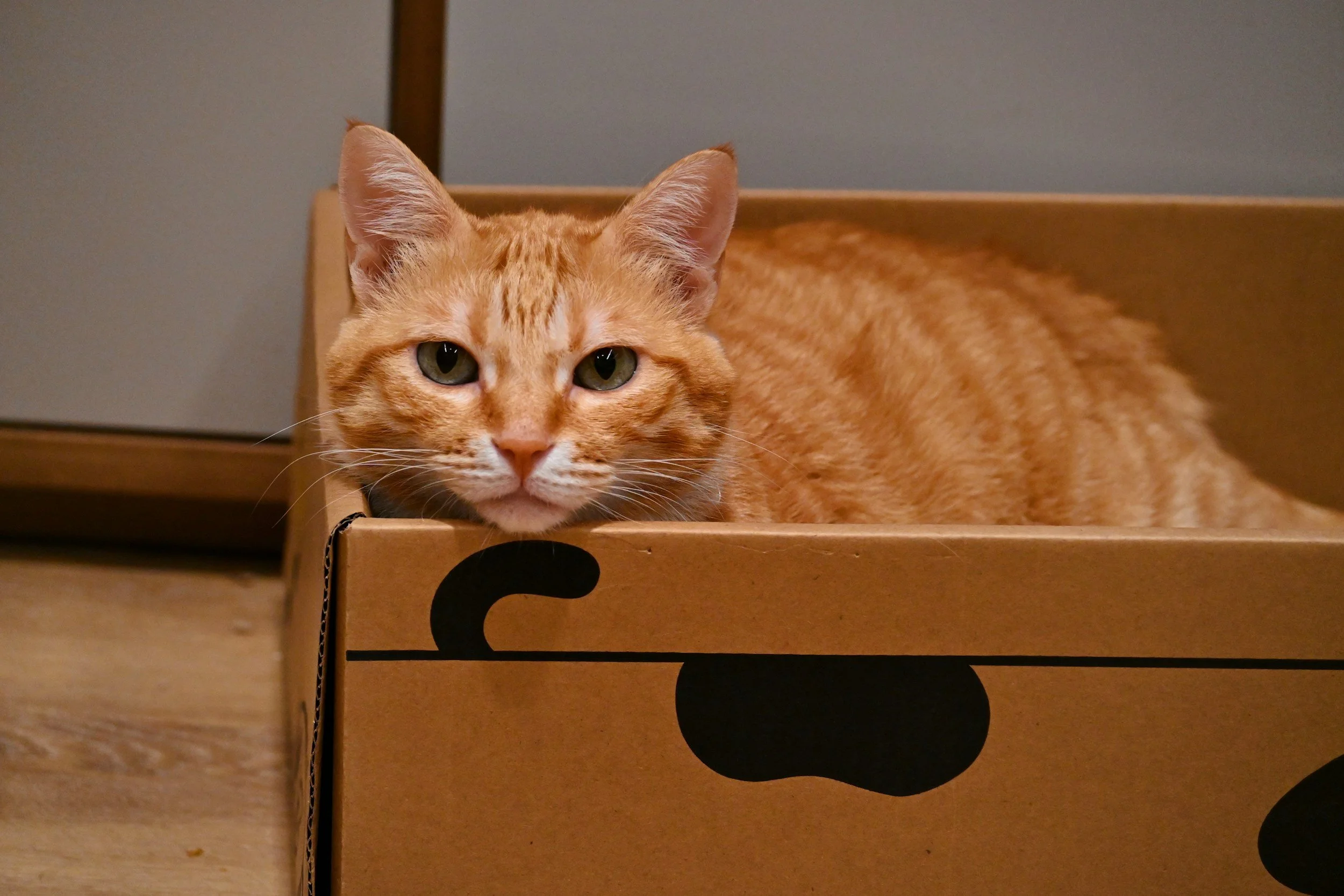
Provide Vertical Spaces and Hiding Spots
Shy cats feel braver when they can observe from above or hide safely.
Try:
Cat shelves
Tall cat trees
Boxes
Tunnels
Covered beds
If they feel safe, they’re more likely to socialise.

Be Patient and Celebrate Progress
Shy cats blossom slowly, but when they do, the bond is incredibly rewarding.
Remember:
Every cat’s timeline is different
Progress might be tiny at first
Trust grows through consistency, not speed
Some cats become outgoing; others remain quietly affectionate. Both are perfectly okay.
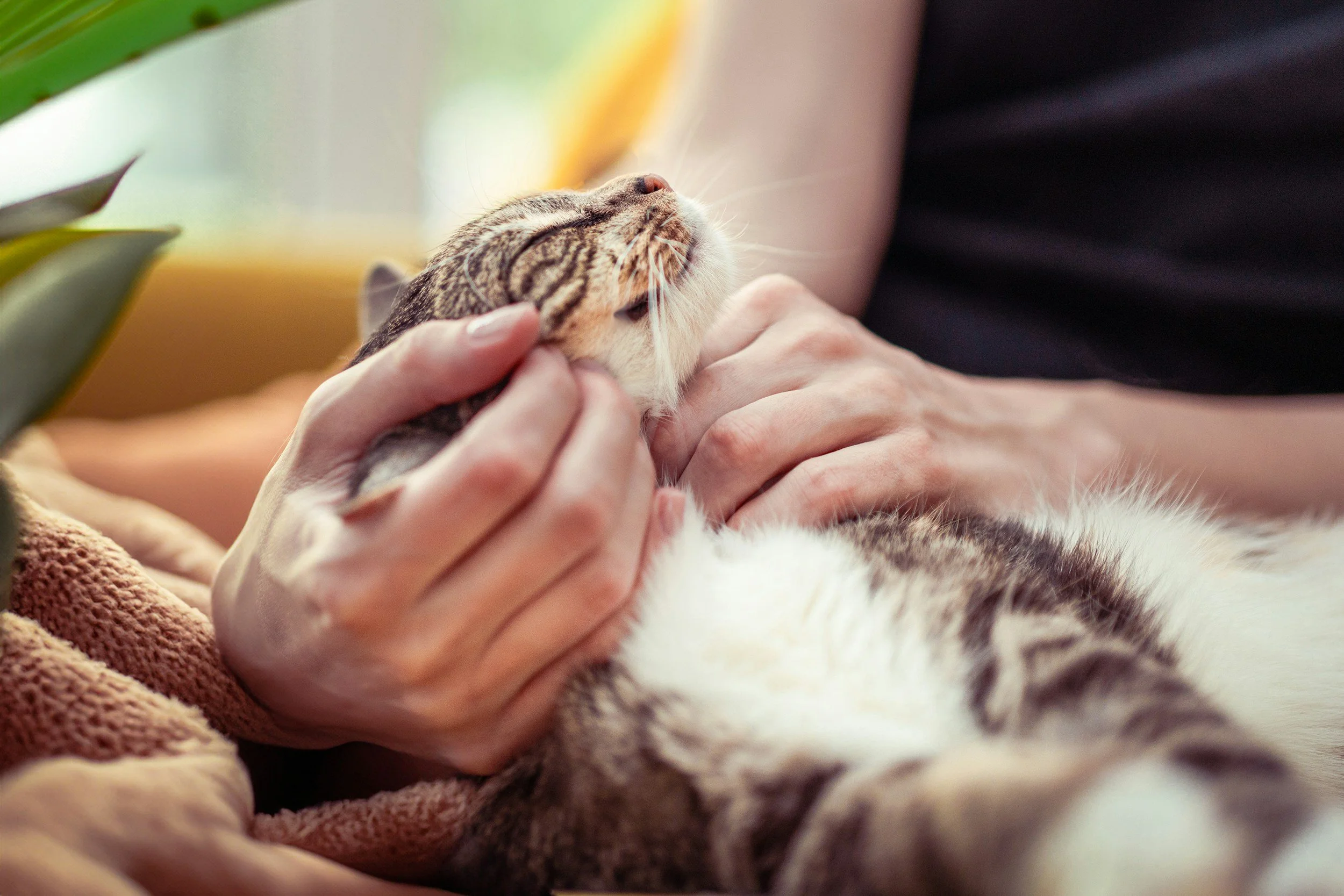
Socialising a shy or anxious cat is all about patience, gentle encouragement, and creating a safe environment where they feel in control. With time, routine, and understanding, even the most timid kitty can become a loving, confident companion.
If your cat needs a pet sitter, letting us know they’re shy helps us adapt our approach with slow introductions, calm visits, and lots of patience to make sure they feel safe and cared for.