
The Most Common Hazards for Indoor Cats (and How to Keep Them Safe)
When people think “indoor cat,” they often imagine a safe, cosy life far from the dangers of the outside world. And while indoor living is much safer overall, it doesn’t mean risk free. Homes are full of everyday items that can pose a danger to curious kitties, especially those who love to climb, chew, and explore every corner.
Here are the most common hazards for indoor cats and simple ways to keep your feline family members safe.
Toxic Houseplants
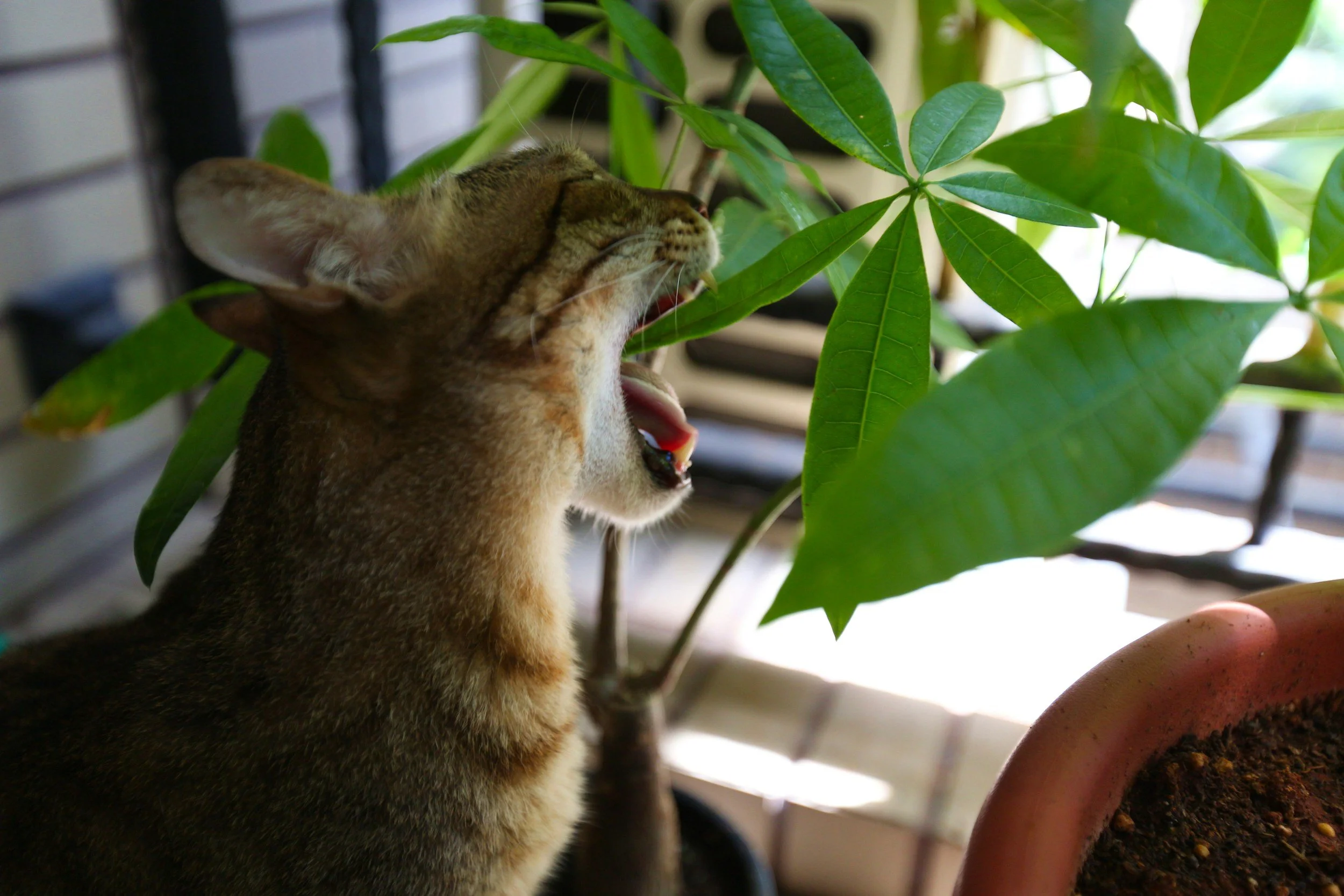
Many popular indoor plants can be harmful or even deadly to cats. Lilies are the most dangerous. Even a tiny amount of pollen can cause kidney failure.
Other toxic plants include:
Pothos, snake plants, philodendrons, monstera, aloe, sago palm, peace lilies, and dieffenbachia.
Keep your cat safe:
Choose cat friendly options like spider plants, cat grass, or bamboo palms. Keep toxic plants high up or in rooms your cat can’t access.
Human Food
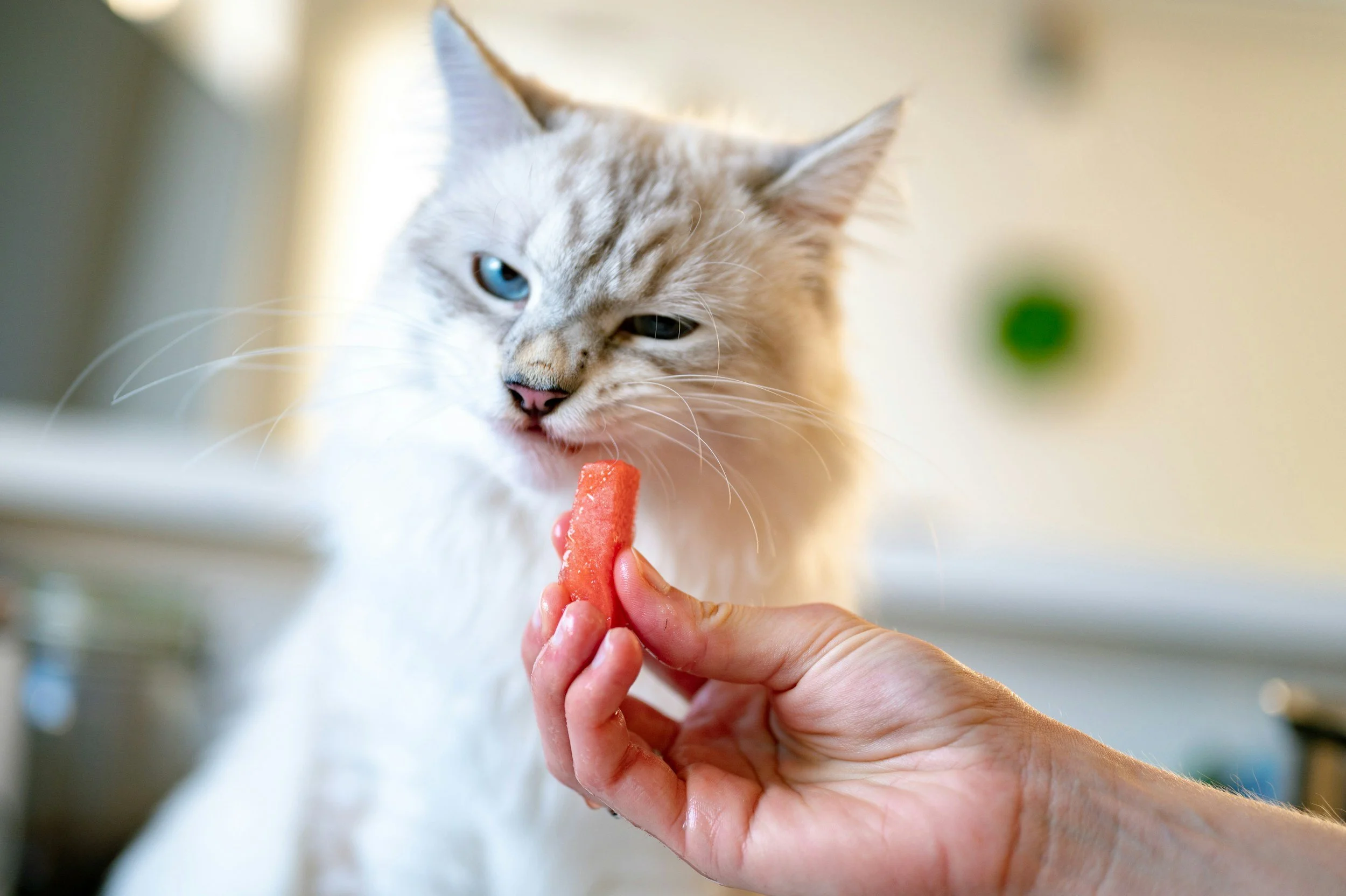
Cats often show interest in our food, but many human foods are unsafe.
Common dangers:
Onion, garlic, and chives
Chocolate
Grapes and raisins
Alcohol
Xylitol (in sugar-free foods)
Cooked bones (they splinter!)
Keep your cat safe:
Store food securely, don’t leave plates unattended, and ensure family or visitors don’t sneak unsafe treats.
Cords, Strings, and Ribbons
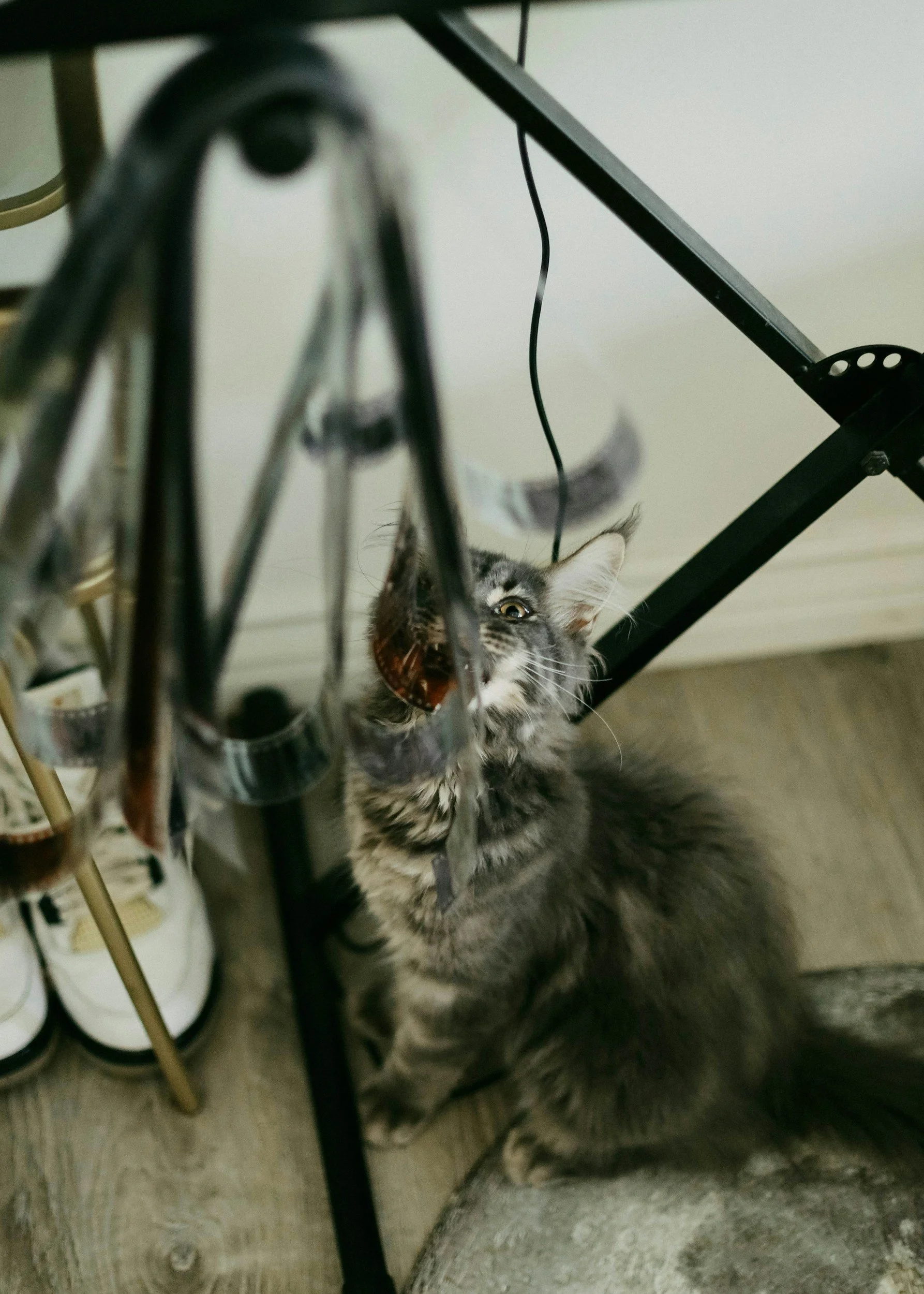
Long, stringy items are irresistible to cats, but incredibly dangerous if swallowed. They can cause intestinal blockages that require emergency surgery.
Be cautious with:
Hair ties, ribbons, shoelaces, sewing thread, fishing line, elastic bands, and Christmas tinsel.
Keep your cat safe:
Put these items away, supervise play, and choose sturdy, non-string toys.
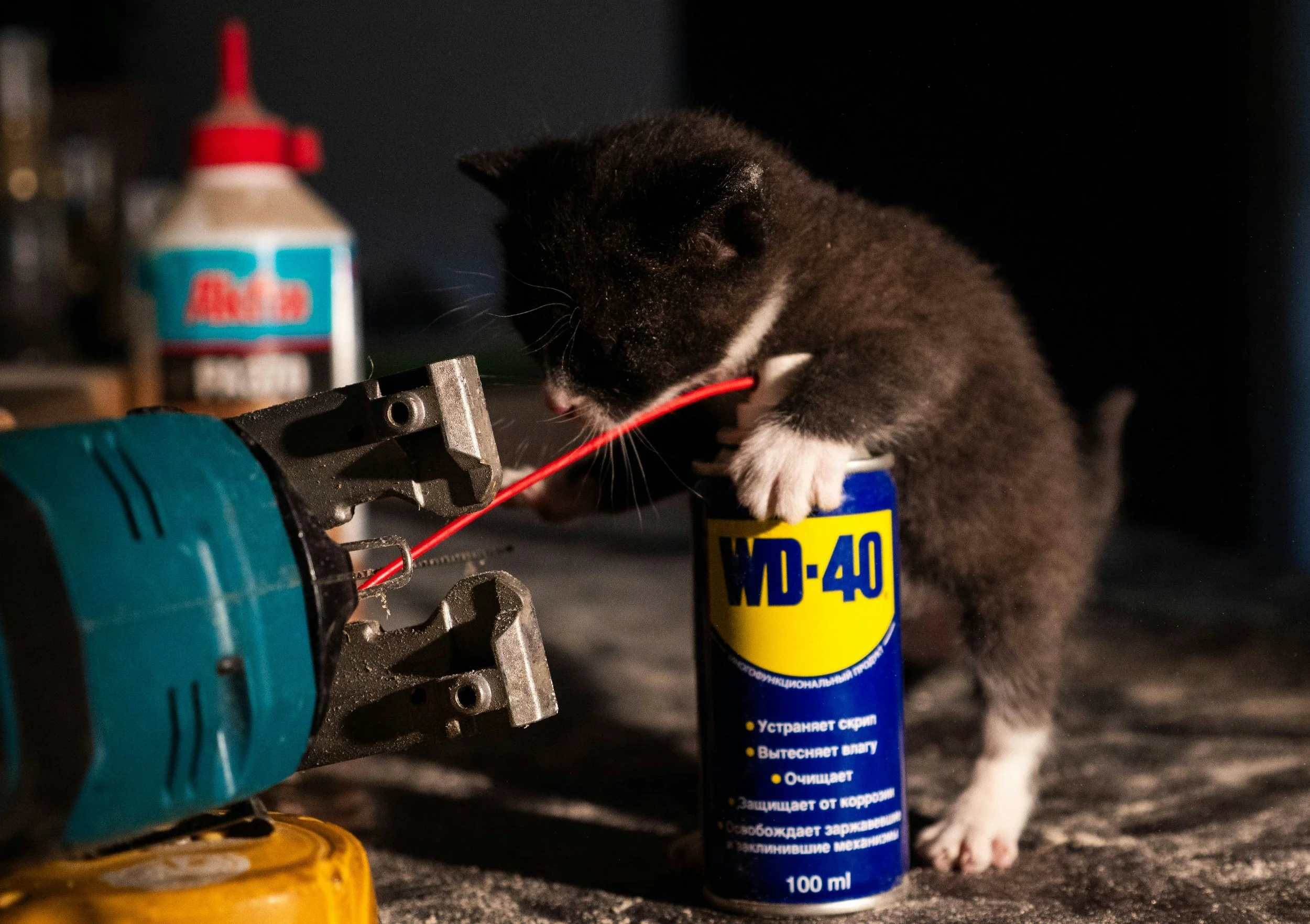
Cleaning Products and Chemicals
Most household cleaners contain chemicals that can irritate paws, skin, eyes, or the stomach if licked.
Be especially cautious with: Disinfectants, bleach, floor cleaners, essential oil diffusers, and air fresheners.
Keep your cat safe:
Let surfaces dry fully before letting your cat walk on them, keep bottles closed and stored high, and avoid essential oils around cats.
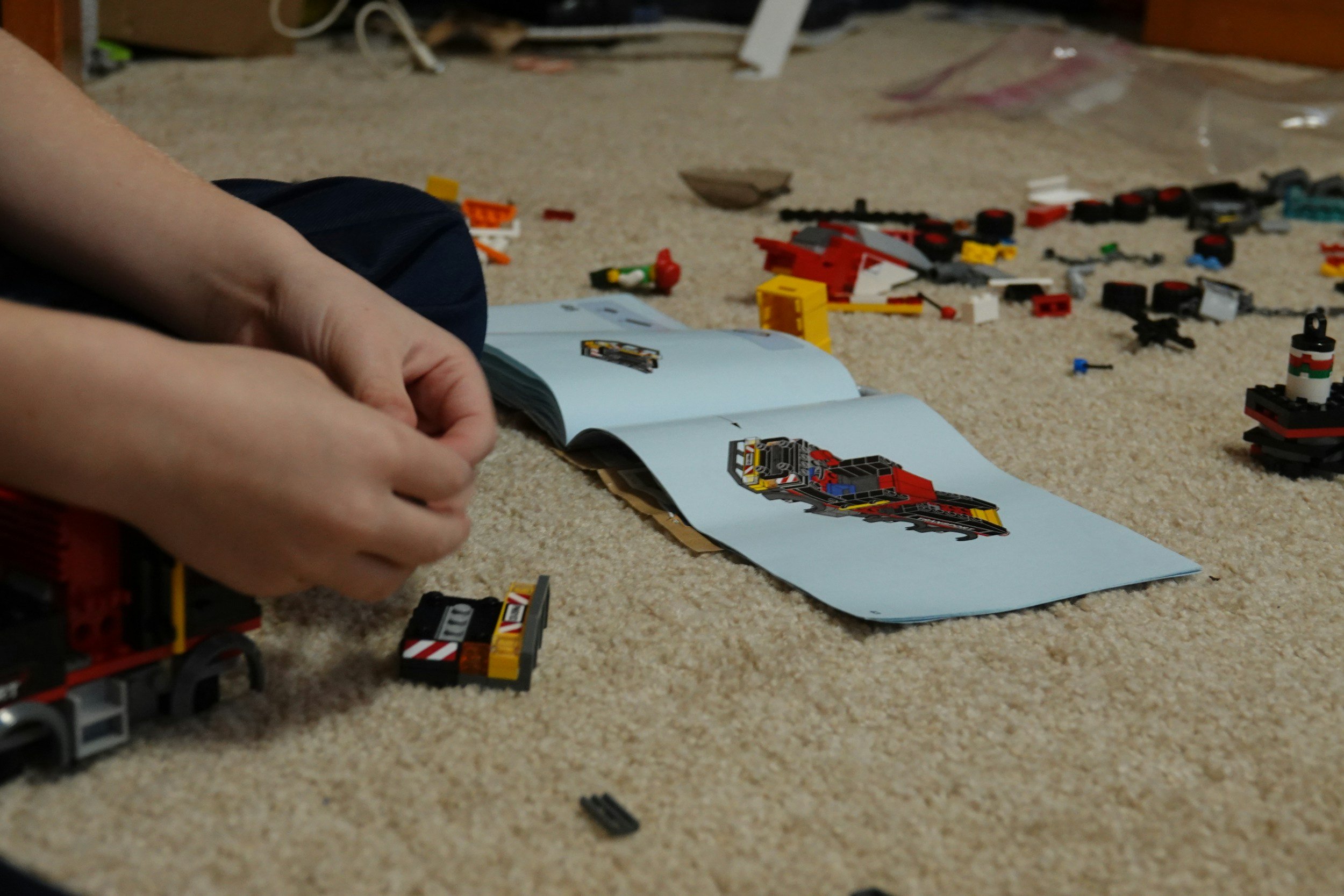
Small Objects
Anything tiny enough to bat around is tempting and a choking hazard.
Watch out for:
Earplugs, batteries, Lego, jewellery, nails, coins, medication tablets, and kids’ toys.
Keep your cat safe:
Regularly sweep floors and check under couches, beds, and nightstands.
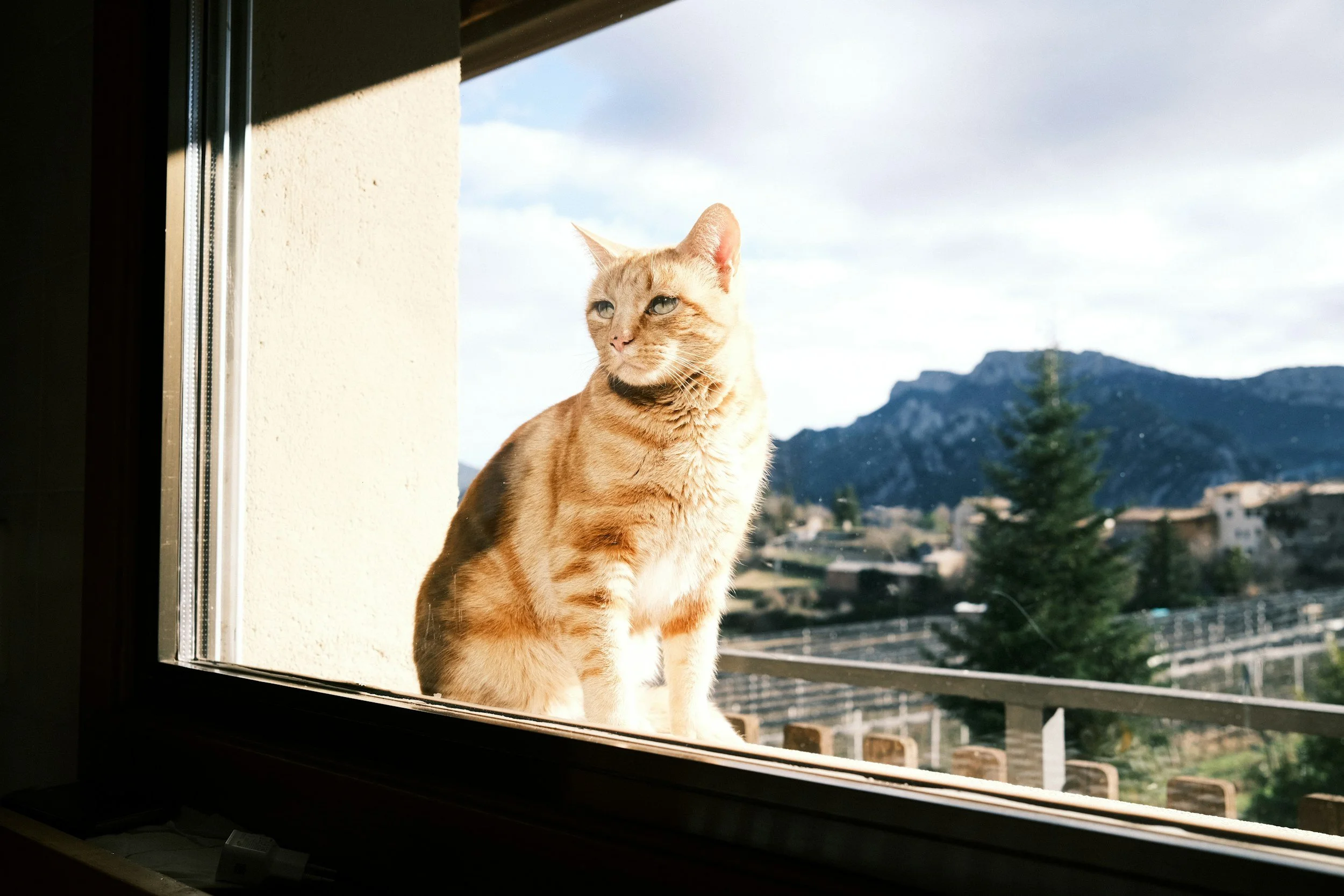
Open Windows and Balconies
Indoor cats can still fall from heights. Cats often survive falls but with severe injuries known as “high-rise syndrome.”
Keep your cat safe:
Use secure screens, window locks, and never leave balcony doors open unsupervised.
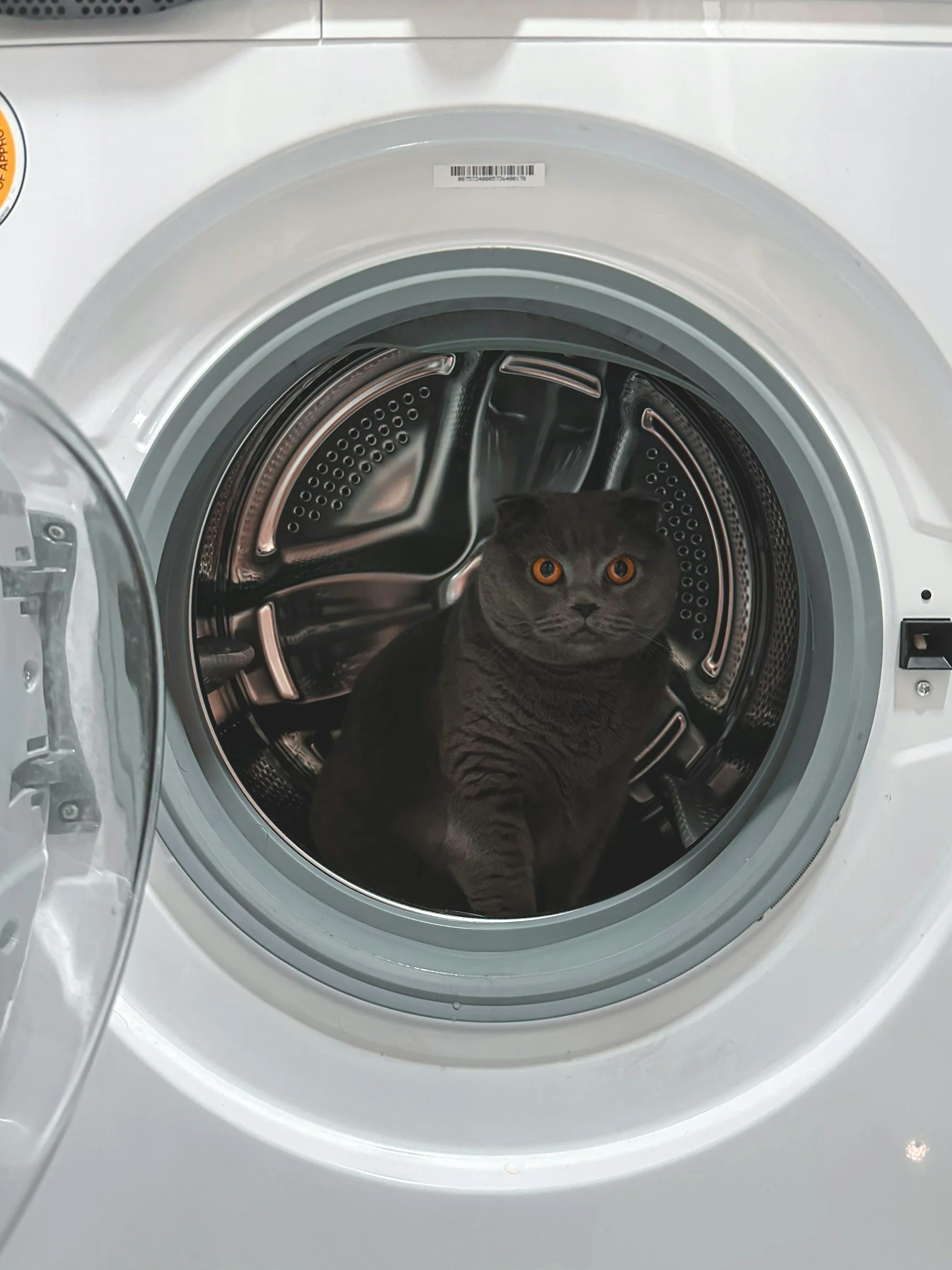
Appliances and Furniture
Warm, dark spaces attract cats. But washing machines, dryers, reclining chairs, and cupboards can trap or injure them.
Keep your cat safe:
Always check appliances before use, shut doors properly, and teach family members to check for “stowaway cats.”
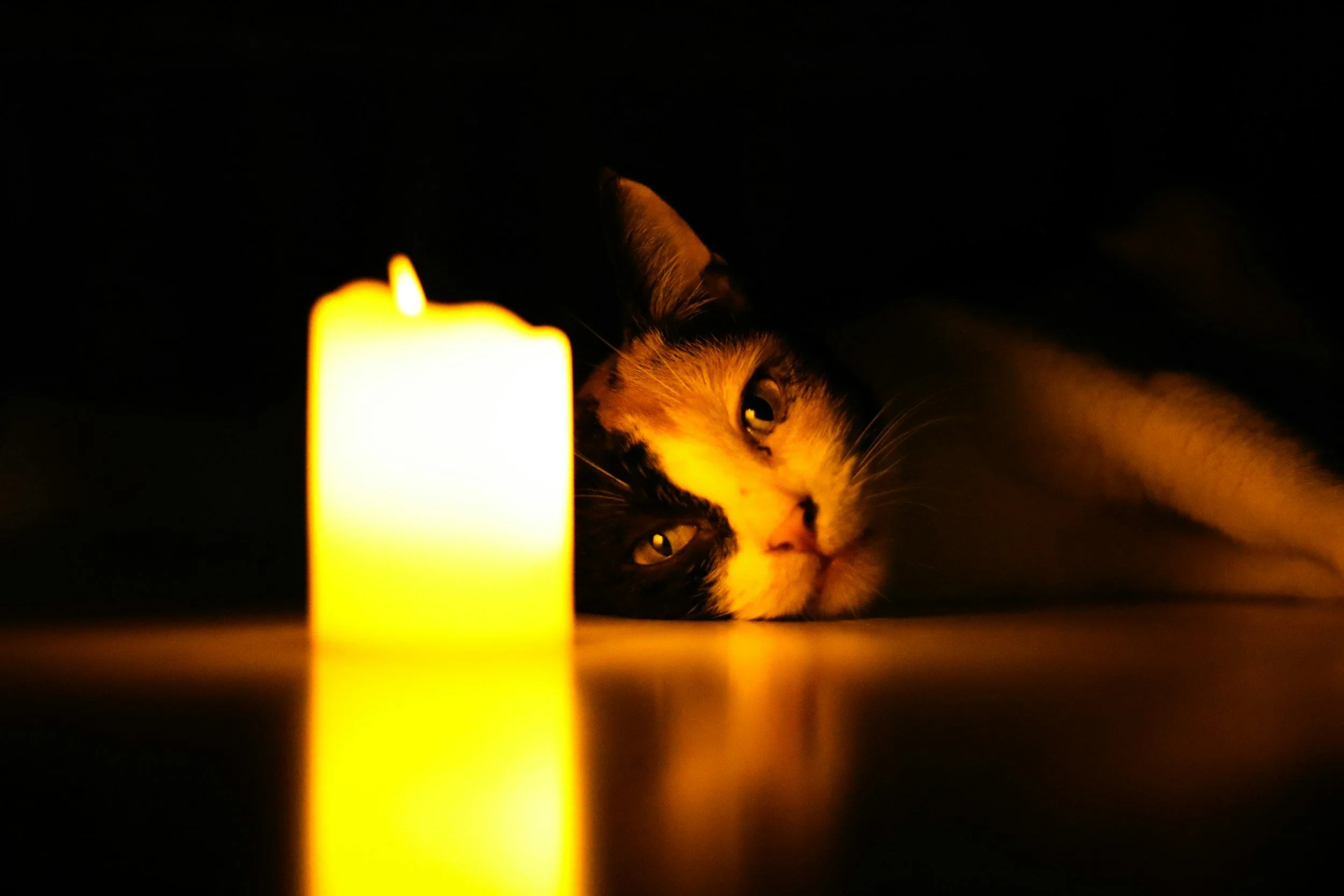
Candles and Open Flames
Cats are curious and unpredictable, a recipe for accidents.
Risks include:
Singed whiskers, burned paws, and knocked over candles causing fires.
Keep your cat safe:
Use flameless candles and keep stovetops blocked.

Medications
Human and pet medications can be dangerous if chewed, played with, or swallowed.
Keep your cat safe:
Store all medication in closed cupboards and pill organisers out of reach. Never give your cat human medication unless instructed by a vet.
Boredom and Lack of Enrichment
It may not seem like a hazard, but boredom leads to stress, destructive behaviours, overeating, and even depression.
Prevent boredom:
Rotate toys
Provide scratching posts
Add vertical spaces like cat shelves
Offer puzzle feeders
Spend time playing daily
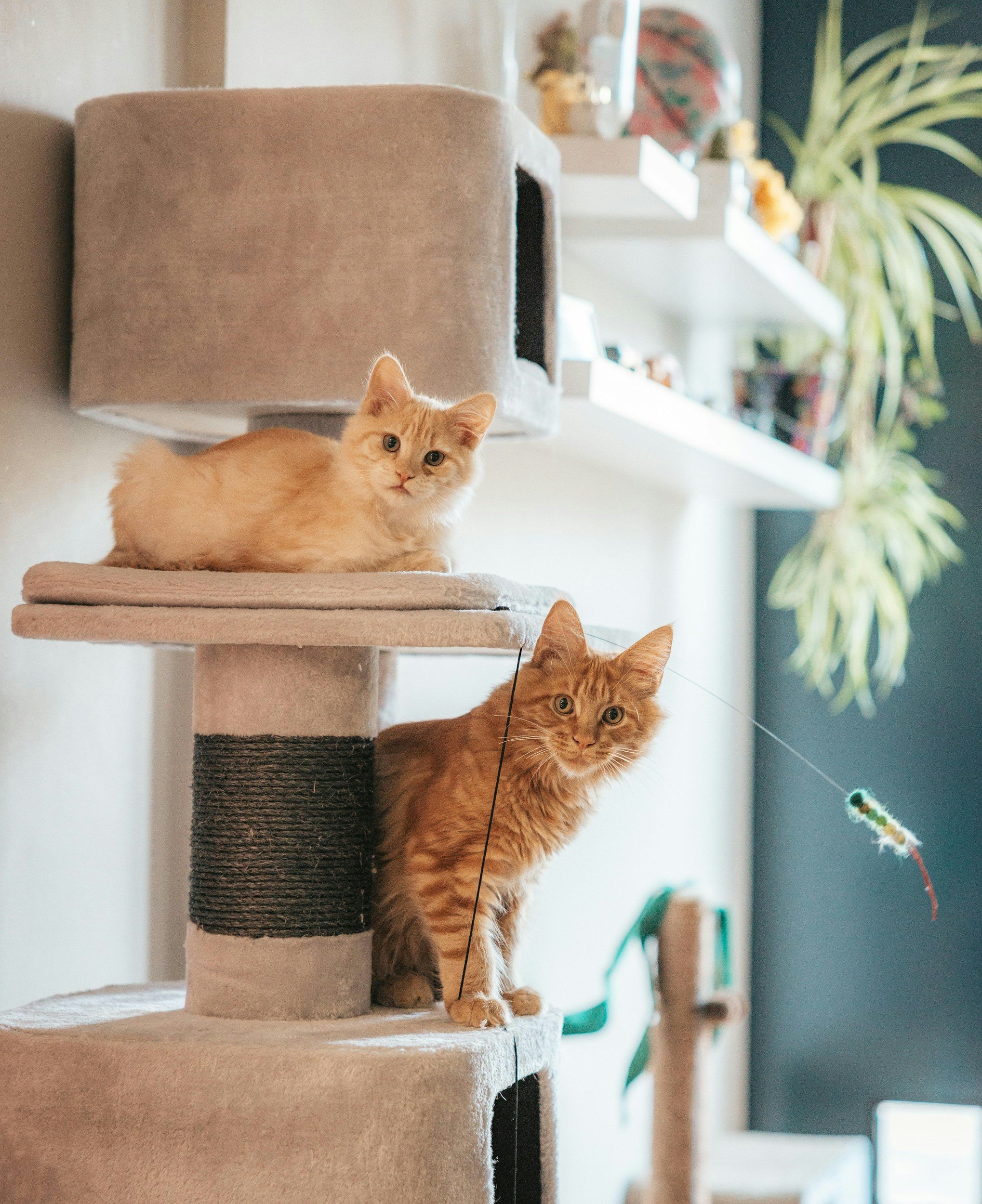
Happy cats = safe cats.
Indoor cats live longer, healthier lives, but only if their environment is safe, stimulating, and cat friendly. A few simple precautions go a long way in keeping your feline friend protected.
If you ever need help caring for your cat while you're away, Happy Hounds can keep their routine consistent, monitor for hazards, and make sure your kitty stays safe, comfortable, and happy.