
Why Walks Are About So Much More Than Exercise
When we think about walking our dogs, it’s easy to focus on the physical side of things, like burning off energy, keeping them fit, and helping them sleep better at night. And yes, all of that matters. But walks are about so much more than exercise.
For dogs, a walk is one of the most important parts of their day.

🐾 Walks Feed the Mind, Not Just the Body
To us, a walk might look simple. To a dog, it’s an entire world rich with information, stories, and sensory input waiting to be explored.
Every smell tells a story… who’s been there before, what they were doing, and how recently they passed by. When dogs stop to sniff, they’re not being distracted or slow; they’re actively engaging their brains and making sense of their environment. Allowing time for sniffing isn’t “wasting time” at all, it’s a vital form of mental stimulation.
In fact, a calm, sniff-filled walk can be just as tiring and satisfying as a faster paced walk, sometimes even more so. Mental engagement uses energy, encourages natural behaviours, and helps dogs feel fulfilled without placing unnecessary physical stress on their bodies.
This kind of enrichment is especially important for dogs who spend part of their day at home alone. Sniffing and exploring helps reduce boredom, frustration, and anxiety, promotes relaxation, and supports overall emotional wellbeing. By letting dogs move at their own pace and explore the world through their noses, we help create walks that are not only safer and calmer, but far more meaningful for them.
💛 Walks Build Confidence and Calm
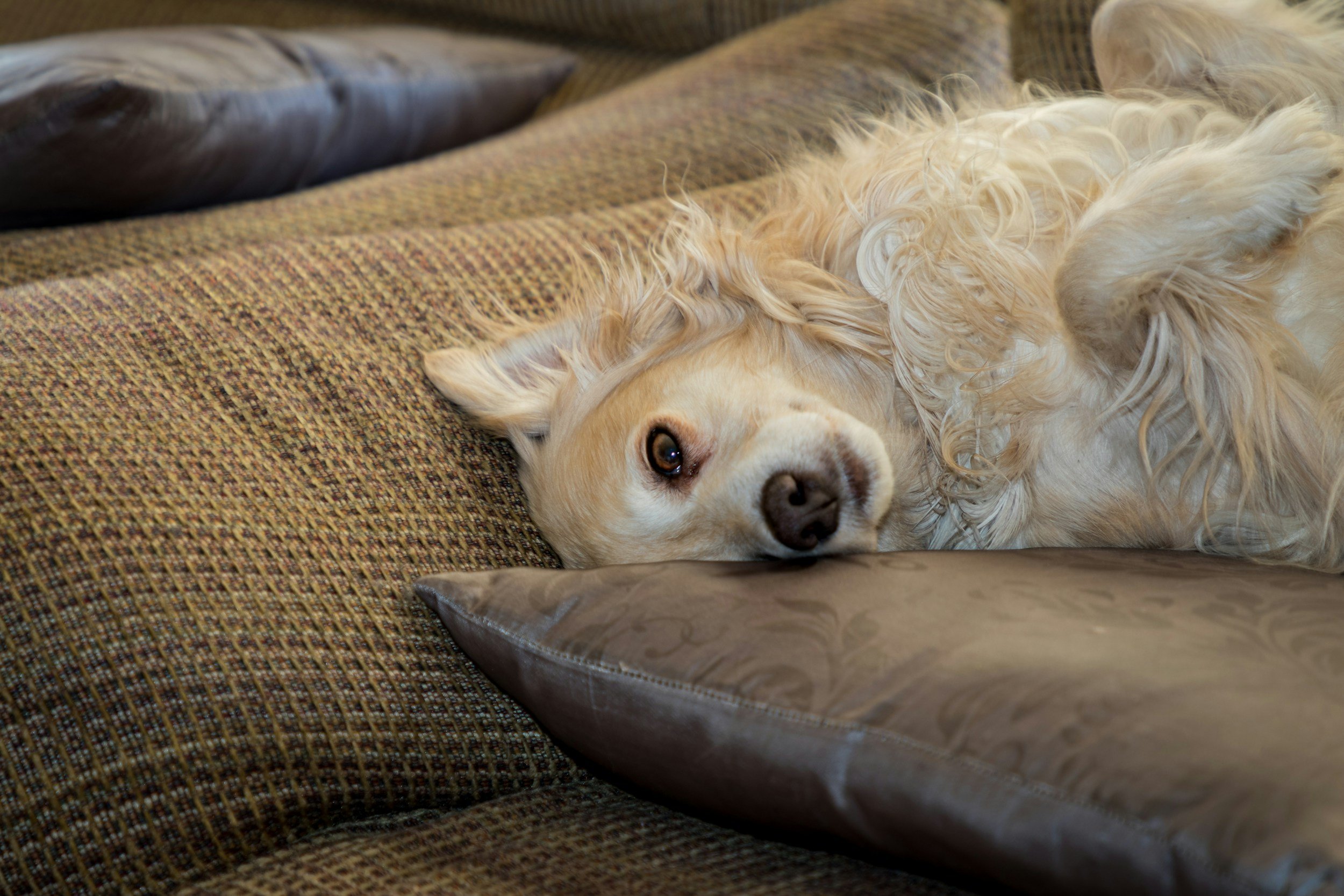
Regular walks do more than provide exercise… they give dogs a sense of routine and predictability, which is incredibly important for their emotional wellbeing. Knowing what comes next helps dogs feel safe, settled, and secure in their daily lives.
For nervous or anxious dogs, calm and consistent walks can gently build confidence over time. Repeated exposure to familiar sights, everyday sounds, and normal activity allows dogs to process their environment without feeling overwhelmed. Moving at their own pace, with support and reassurance, helps them learn that the world around them is safe and manageable.
These quiet, steady experiences encourage relaxation and trust, both in the walk itself and in the human guiding them. Over time, this can reduce anxiety, reactivity, and stress related behaviours.
A calm walk often leads to a calmer dog at home. One who is more settled, content, and better able to rest. By prioritising consistency and emotional balance, walks become a powerful tool for supporting not just physical health, but long term confidence and calm.
🐶 Walks Support Emotional Wellbeing
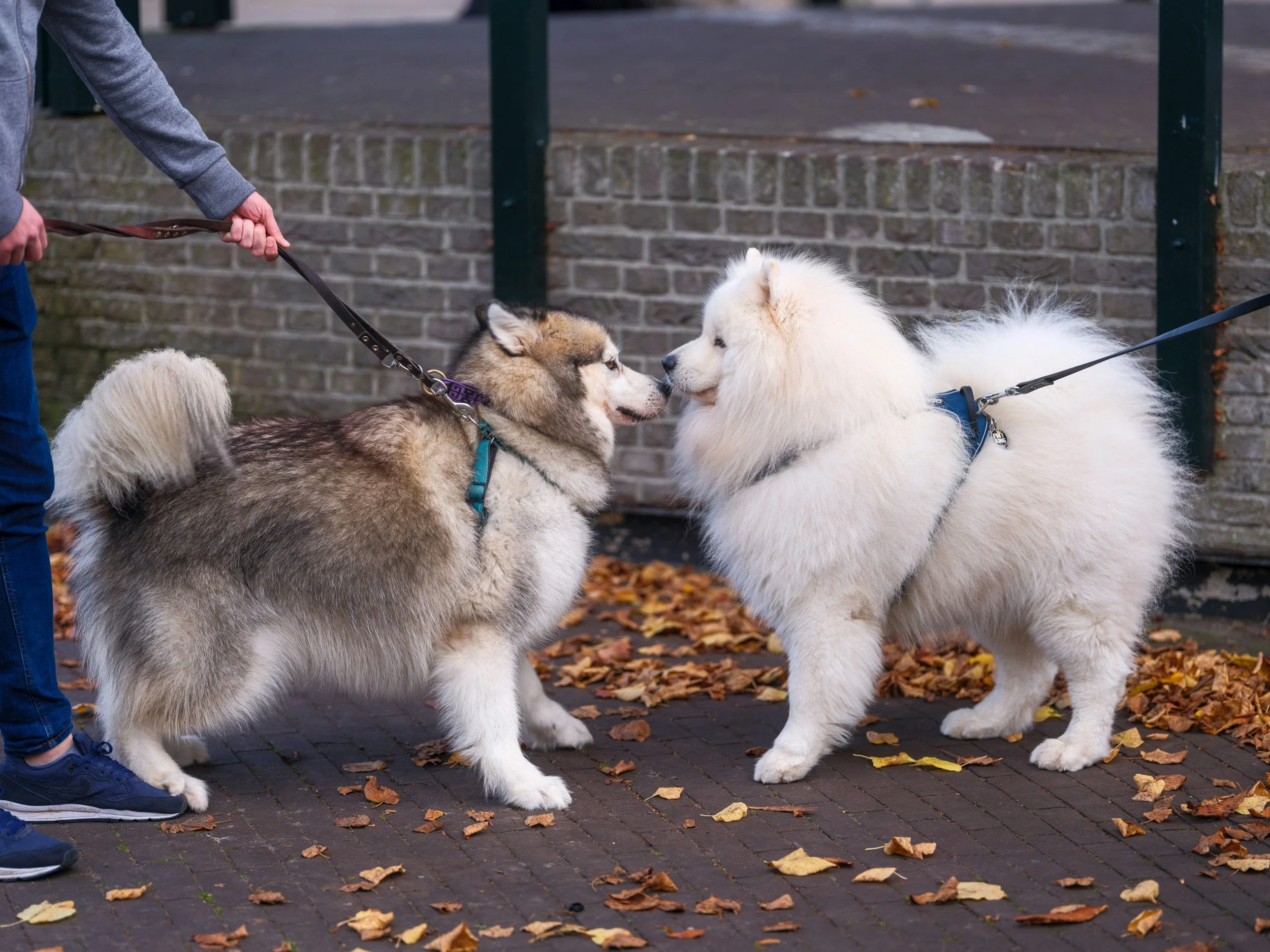
Dogs are naturally social and curious creatures, and regular walks give them a healthy, positive way to engage with the world around them. Being out in the fresh air allows dogs to observe their environment at a comfortable distance. From noticing other dogs and people, to watching everyday activity and taking in new sights, sounds, and smells.
This kind of exposure helps dogs build confidence and emotional balance without feeling overwhelmed. Simply being outside, moving their bodies, and experiencing the world beyond their home supports mental stimulation and emotional fulfilment.
When dogs’ emotional needs are met, many common behaviour challenges are reduced. Regular, well-paced walks can help prevent issues such as excessive barking, restlessness, pacing, or destructive behaviour that often stem from boredom or frustration.
A dog who feels mentally enriched and emotionally supported is more likely to be relaxed, settled, and content at home. Walks, when done thoughtfully and with the dog’s wellbeing in mind, play a vital role in supporting overall emotional health and happiness.
🌿 Every Dog’s Walk Looks Different
Not every walk needs to be long, fast, or physically demanding to be beneficial. For many dogs, gentle strolls filled with sniffing and exploration are far more rewarding than covering lots of ground. These slower-paced walks allow dogs to engage their senses, process their surroundings, and feel mentally fulfilled without unnecessary strain.
Older dogs often benefit from shorter, slower outings that support mobility and comfort while still giving them valuable time outside. Puppies, on the other hand, gain the most from exploration, learning, and positive exposure to the world around them rather than long distances or endurance based walks.
The “right” walk is always the one that suits your dog’s individual needs. Taking into account their age, personality, energy levels, and overall wellbeing. By tailoring walks to each dog, we help ensure they remain enjoyable, enriching, and supportive at every stage of life.
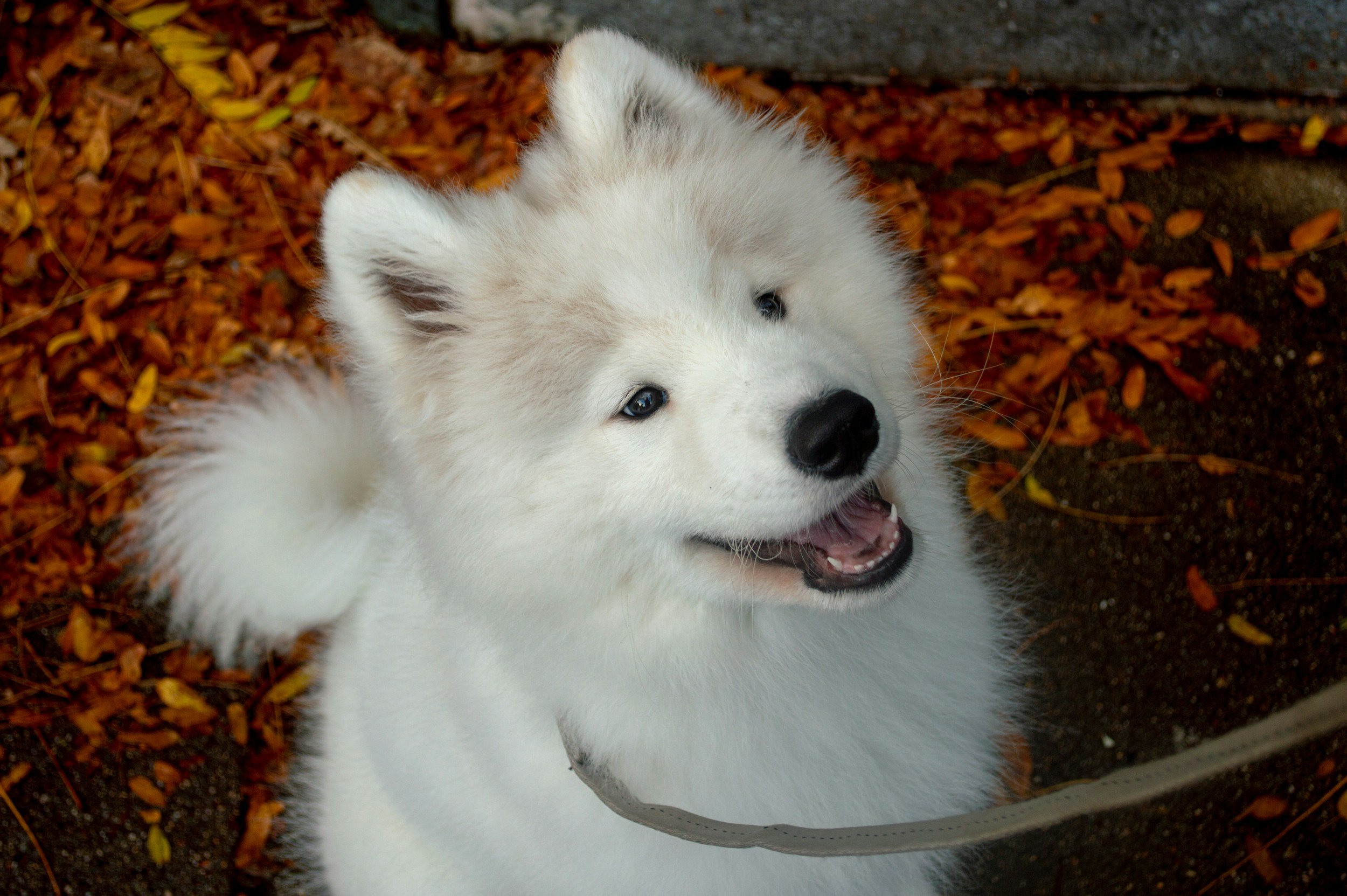
🐕 More Than a Walk — It’s Their Time
For many dogs, their walk is the highlight of the day. It’s time just for them to explore, sniff, move, and simply be a dog.
When walks are calm, consistent, and tailored to the individual dog, they become about connection, enrichment, and wellbeing, not just exercise.
Because a happy dog isn’t just a tired dog.
It’s a dog whose mind and heart have been cared for too. 🐾