
The Role of Routine in a Dog’s Emotional Wellbeing
Why Dogs Love Knowing What Comes Next
Dogs may not wear watches or read calendars, but they are incredibly tuned in to patterns. From knowing when it’s time for a walk to anticipating dinner or settling in for rest, routine plays a powerful role in how dogs experience the world. More than just convenience, routine supports a dog’s emotional wellbeing, helping them feel safe, calm, and confident.
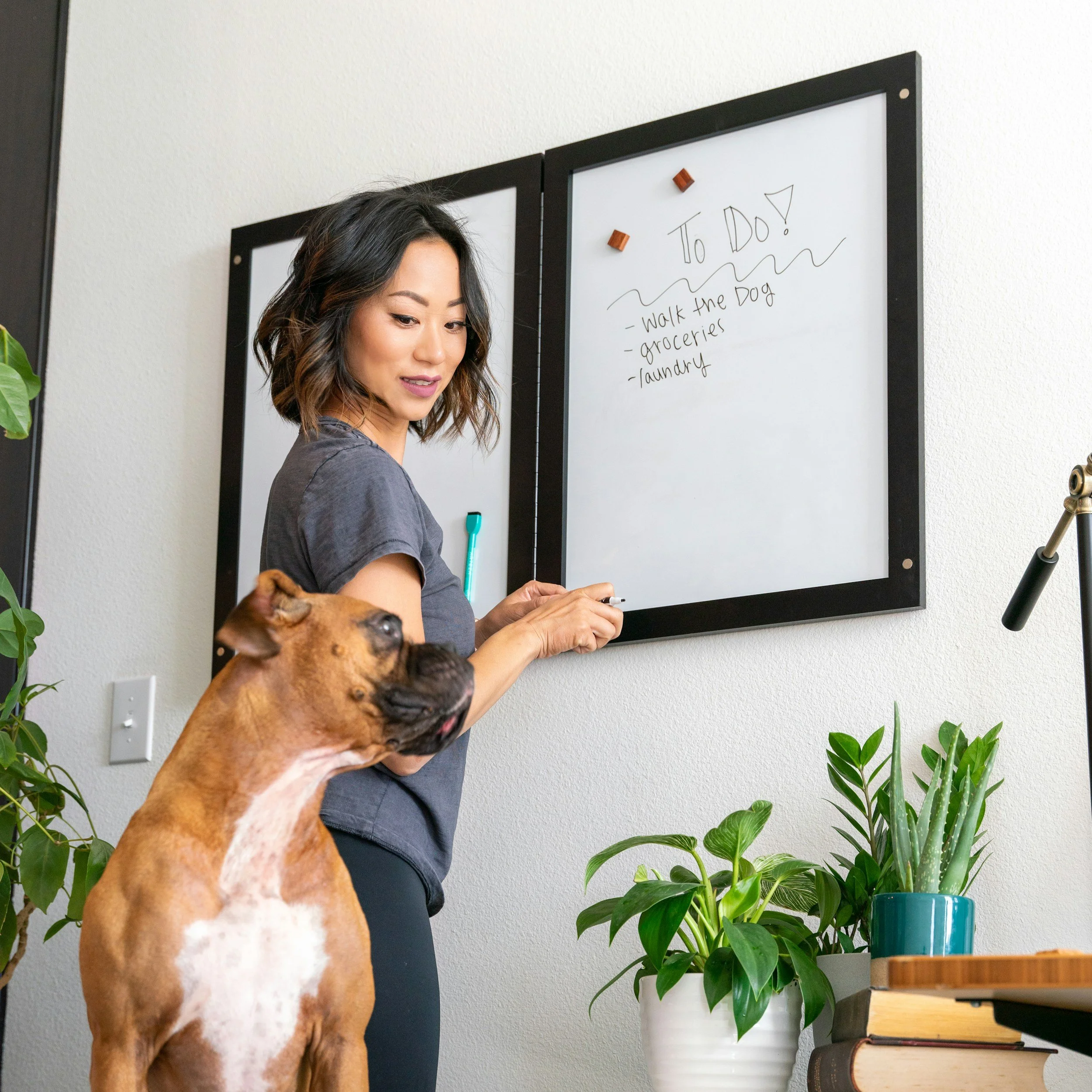
Why Routine Matters to Dogs
Dogs are creatures of habit. Predictable daily patterns help them understand their environment and what’s expected of them. When dogs know what comes next, their nervous system can relax and there’s less uncertainty, less stress, and more emotional balance.
A consistent routine helps:
Reduce anxiety and overstimulation
Support emotional regulation
Build confidence and trust
Encourage calmer behaviour
This is especially important for puppies, senior dogs, rescue dogs, and those prone to anxiey.
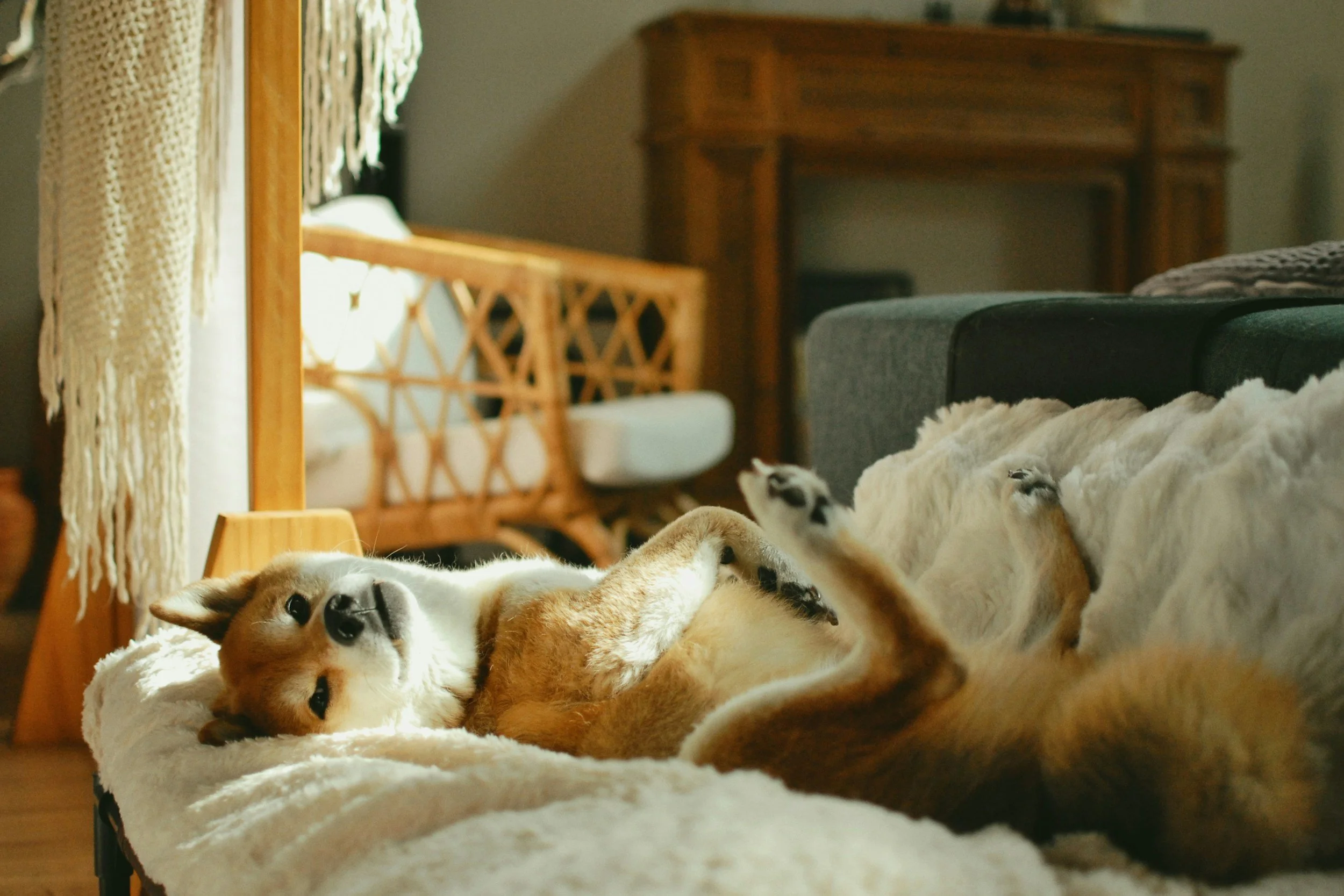
The Science Behind Predictability
Routine provides dogs with a sense of control over their world. When events happen in a familiar order, dogs can anticipate outcomes rather than constantly reacting to surprises. This predictability lowers stress hormones and helps dogs remain emotionally settled.
In contrast, inconsistent routines like irregular feeding times, unpredictable walks, or changing caregivers, can leave dogs feeling unsettled or hyper vigilant, even if all their basic needs are met.
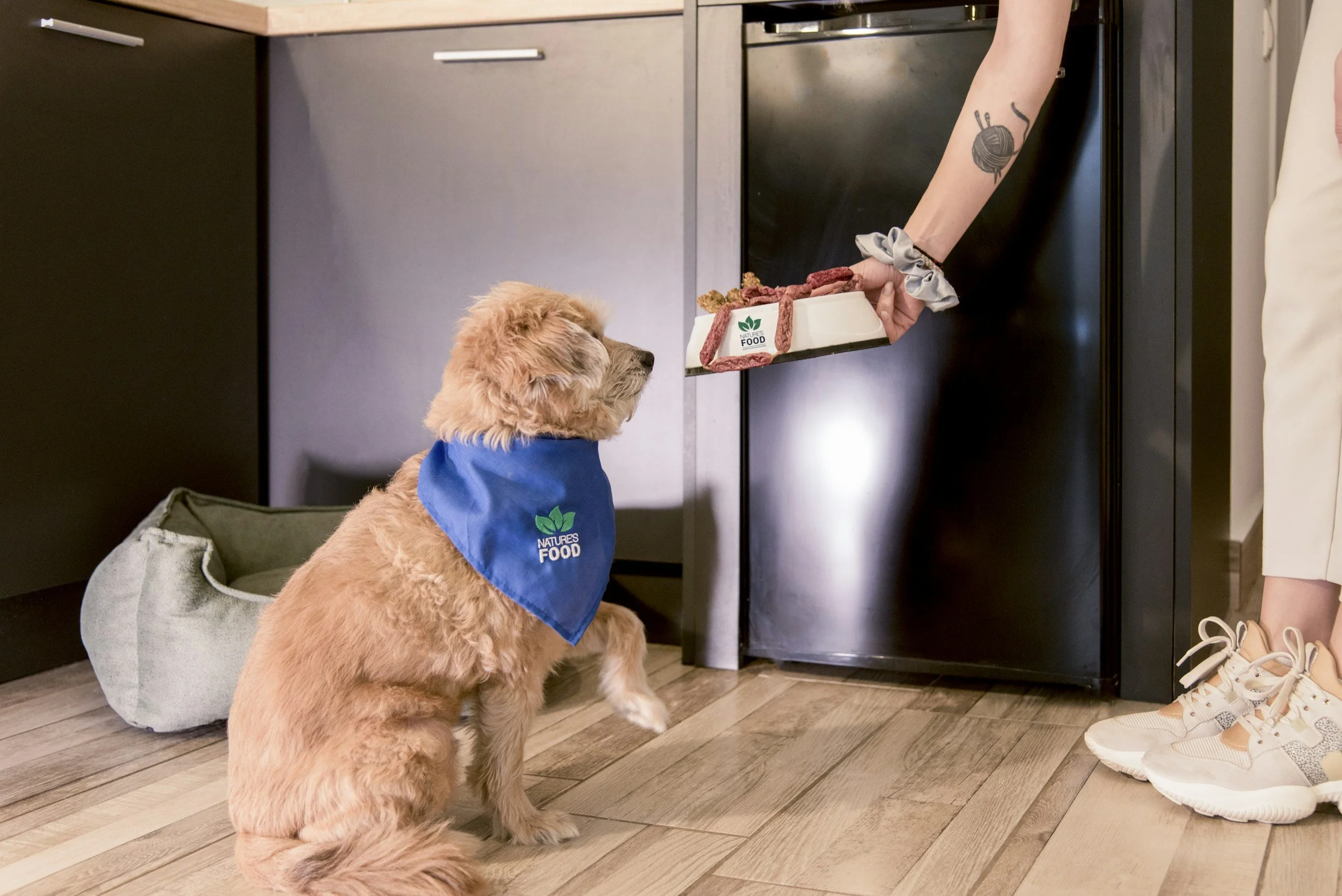
What a Healthy Routine Looks Like
Routine doesn’t need to be rigid or exact to the minute. It simply needs to be consistent enough for your dog to recognise patterns.
Key areas where routine matters most include:
🐾 Feeding
Regular meal times help regulate digestion, energy levels, and behaviour. Dogs quickly learn when food is coming, reducing anxiety around meals.
🐕 Walks & Activity
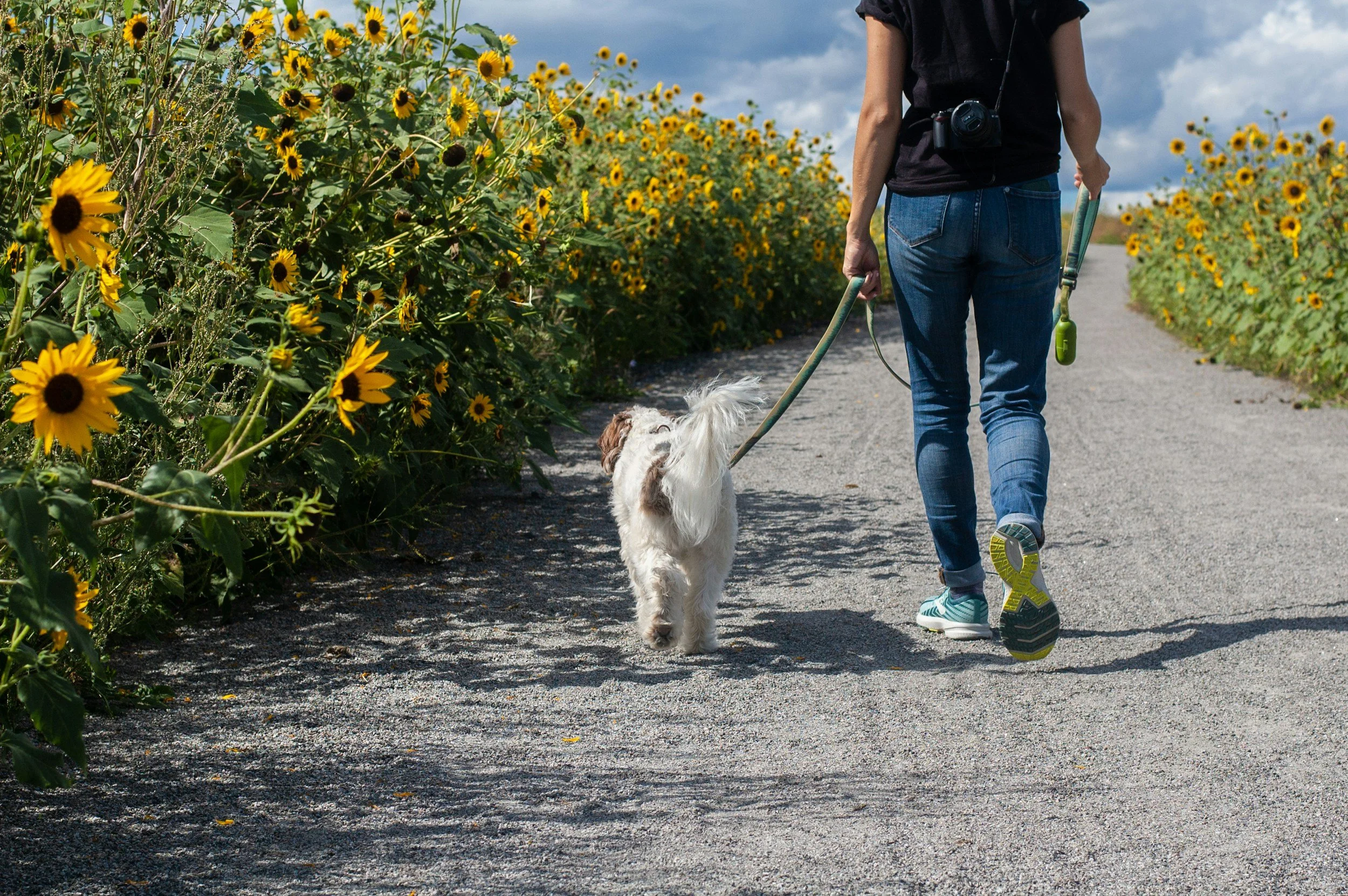
Consistent walk times help dogs anticipate exercise and enrichment. Knowing when they’ll get outside helps prevent restlessness and attention seeking behaviours.
🧠 Enrichment & Mental Stimulation
Predictable opportunities for sniffing, play, or enrichment give dogs an outlet for mental energy and support emotional balance.
🛏️ Rest & Sleep
Dogs need clear cues for downtime. Regular rest periods and a familiar sleeping space help dogs switch off and truly relax.
Routine During Change or Absence
Changes to routine such as holidays, work schedule shifts, or owners being away can be challenging for dogs. This is where thoughtful planning makes a big difference.
Maintaining familiar elements, such as:
Feeding times
Walk routines
Sleeping locations
Familiar carers
This can help dogs feel secure even when other things change.
Happy Hounds often work hard to mirror a dog’s usual routine as closely as possible, as familiarity helps reduce stress and maintain emotional stability.
Flexibility Within Routine
A good routine allows for flexibility. Life happens, and routines will occasionally shift, and that’s okay. What matters is returning to familiar patterns as soon as possible and providing clear cues when changes occur.
Dogs are remarkably adaptable when they feel safe and supported.

The Emotional Benefits of Routine
When a dog’s day follows a predictable flow, they’re more likely to:
Settle easily
Rest deeply
Show fewer stress behaviours
Feel confident and secure
Routine isn’t about control, it’s about reassurance.
Routine gives dogs a roadmap for their day. Knowing what comes next helps them navigate their world with confidence and calm. Whether it’s walk time, dinner, or curling up for a nap, predictable patterns allow dogs to feel emotionally safe, and that sense of security is at the heart of their wellbeing.
By creating and maintaining a thoughtful routine, you’re giving your dog more than structure, you’re giving them peace of mind 🐾🤍